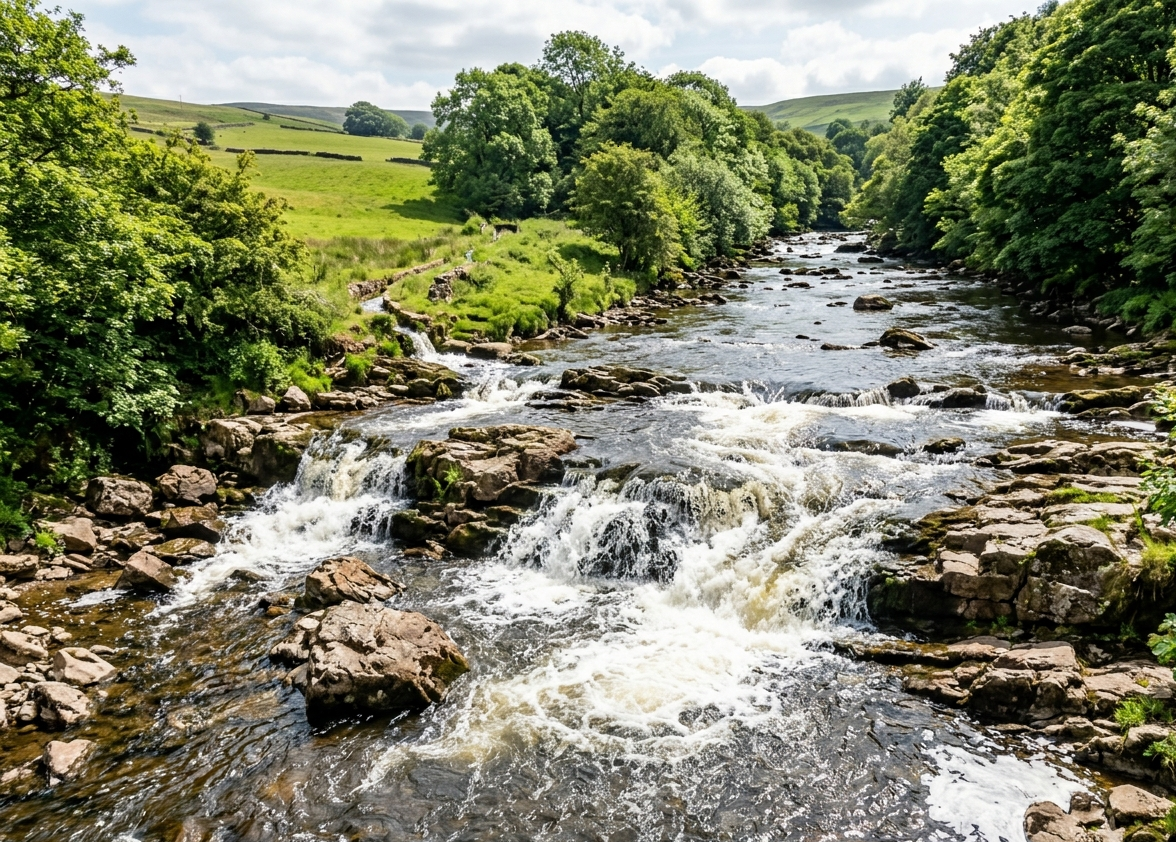
How waste water was treated prior to 1970.
Before 1970, soils were rich in native microorganisms that naturally flowed into rivers during irrigation. As rivers moved from mountains to plains, aeration increased oxygen levels, supporting microbial activity and enabling effective natural water purification.

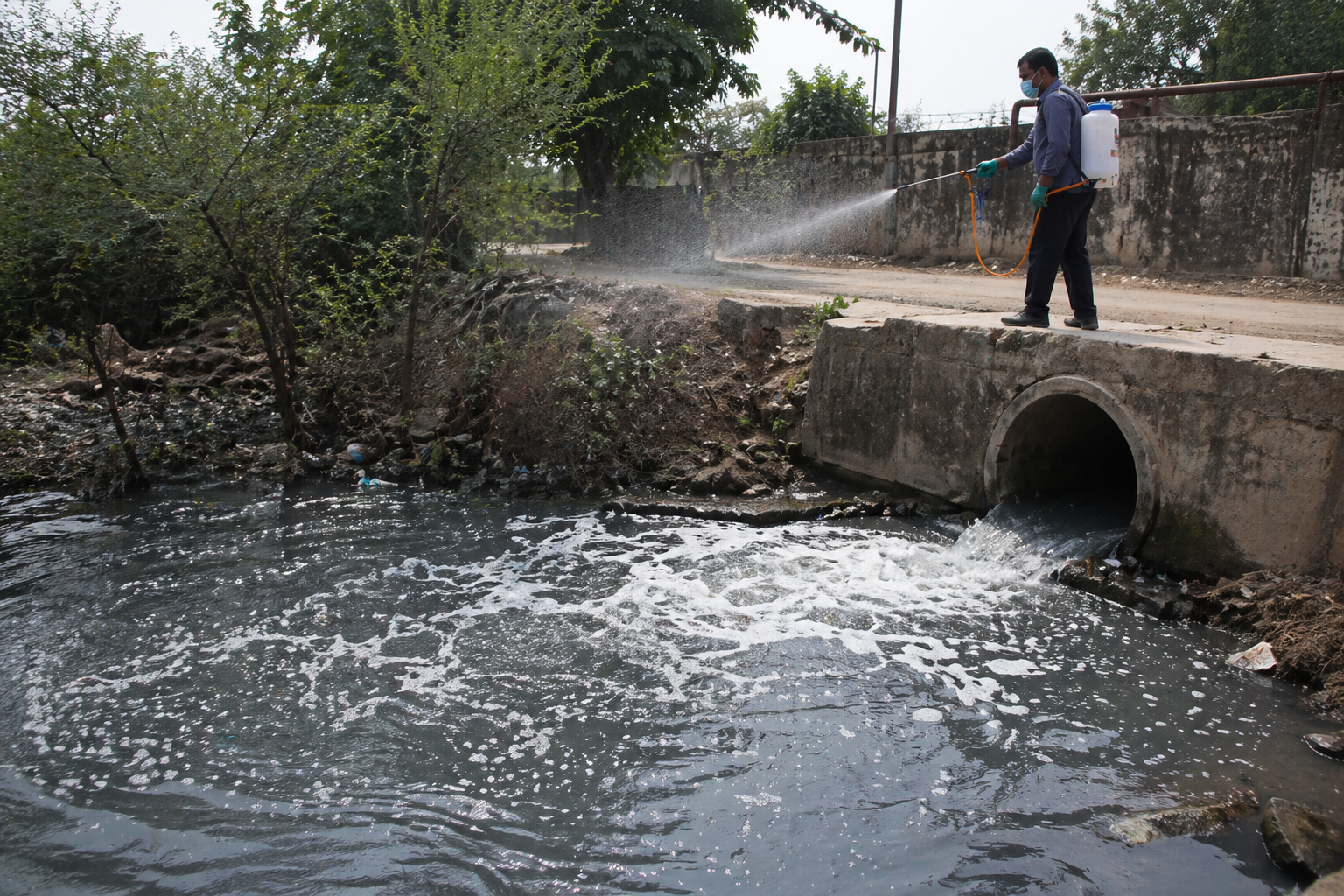
Bioremediation of polluted water streams/Nala
Polluted water streams in cities receive sewage and industrial waste, causing low oxygen levels, foul smell, and pests. Introducing MRS restores microbial activity, breaks down organic waste, and significantly improves water quality, making it ideal for STPs and polluted drains.
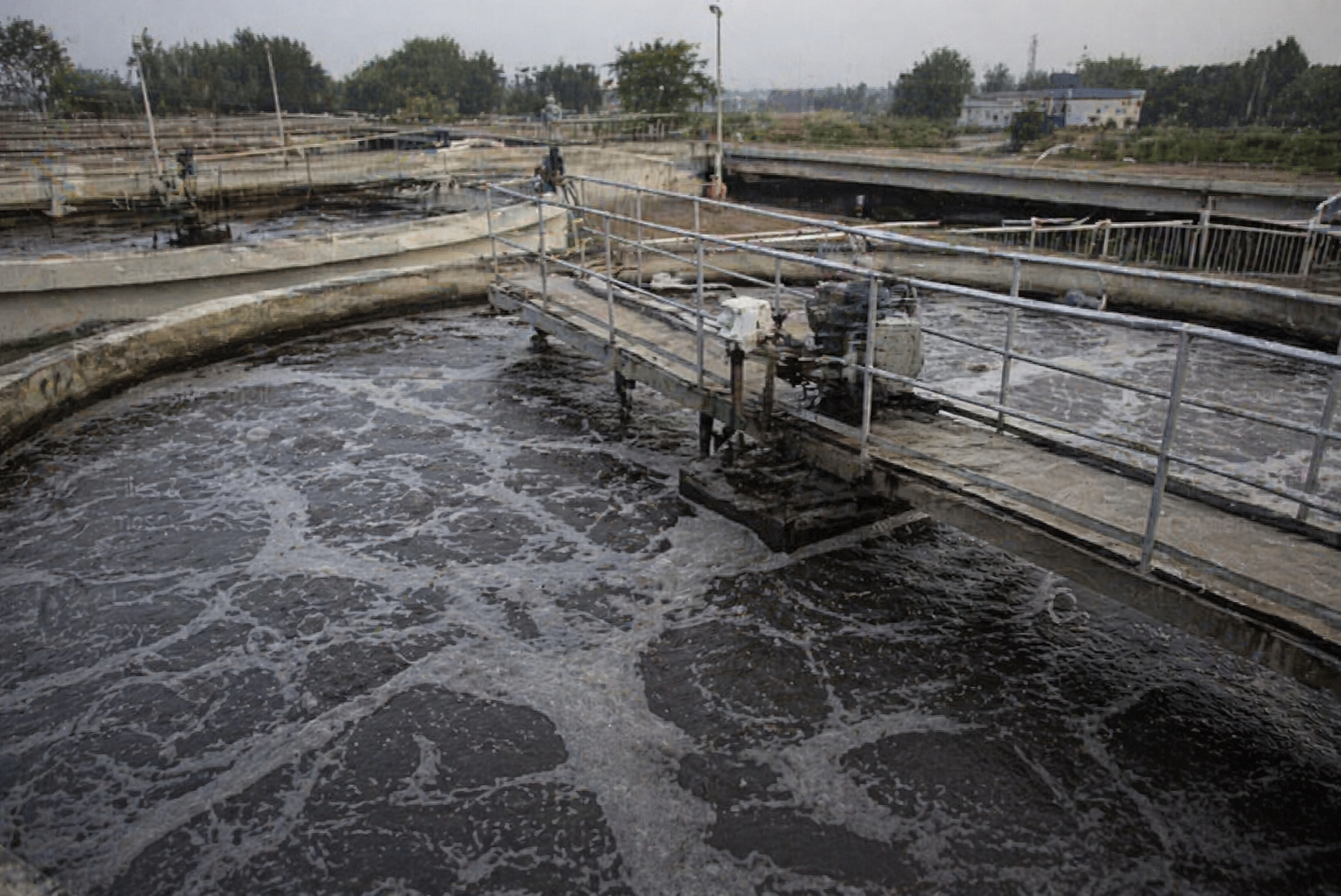
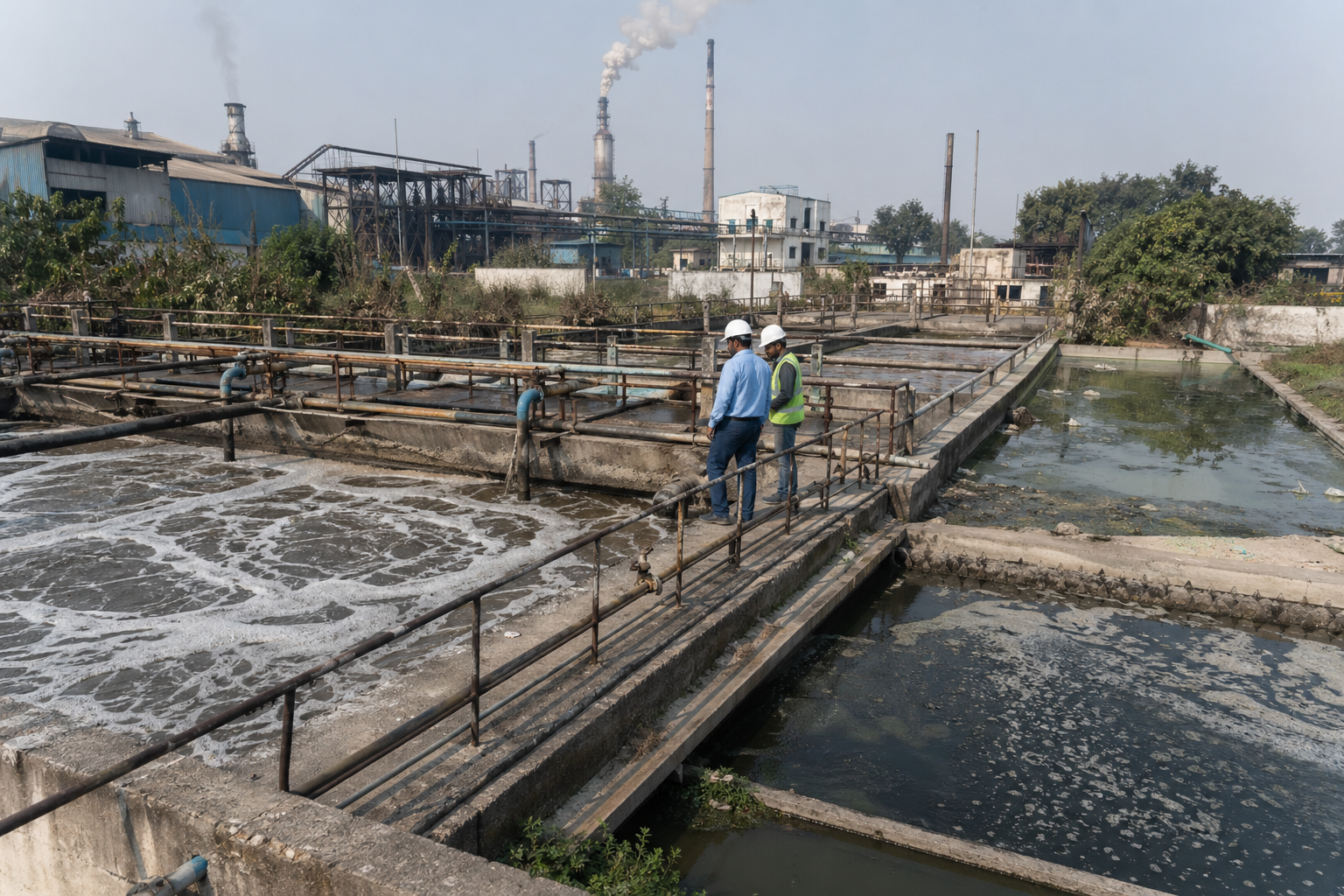
The current challenges with (WWTP)
Wastewater Treatment Plants in India often struggle due to low microbial activity and fluctuating load conditions. Variations in sewage and industrial waste disrupt biological processes, making treatment less effective and recovery time longer.
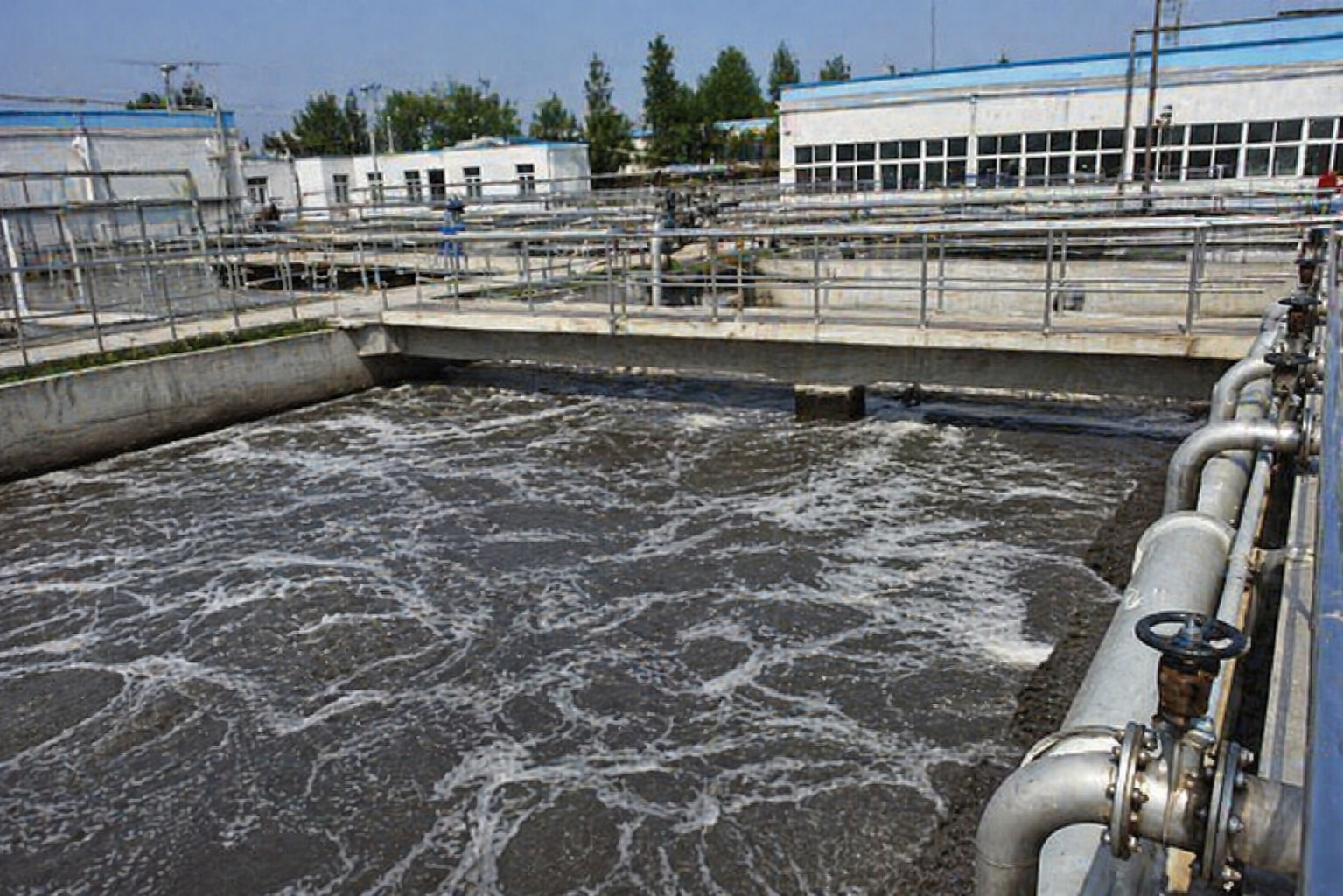
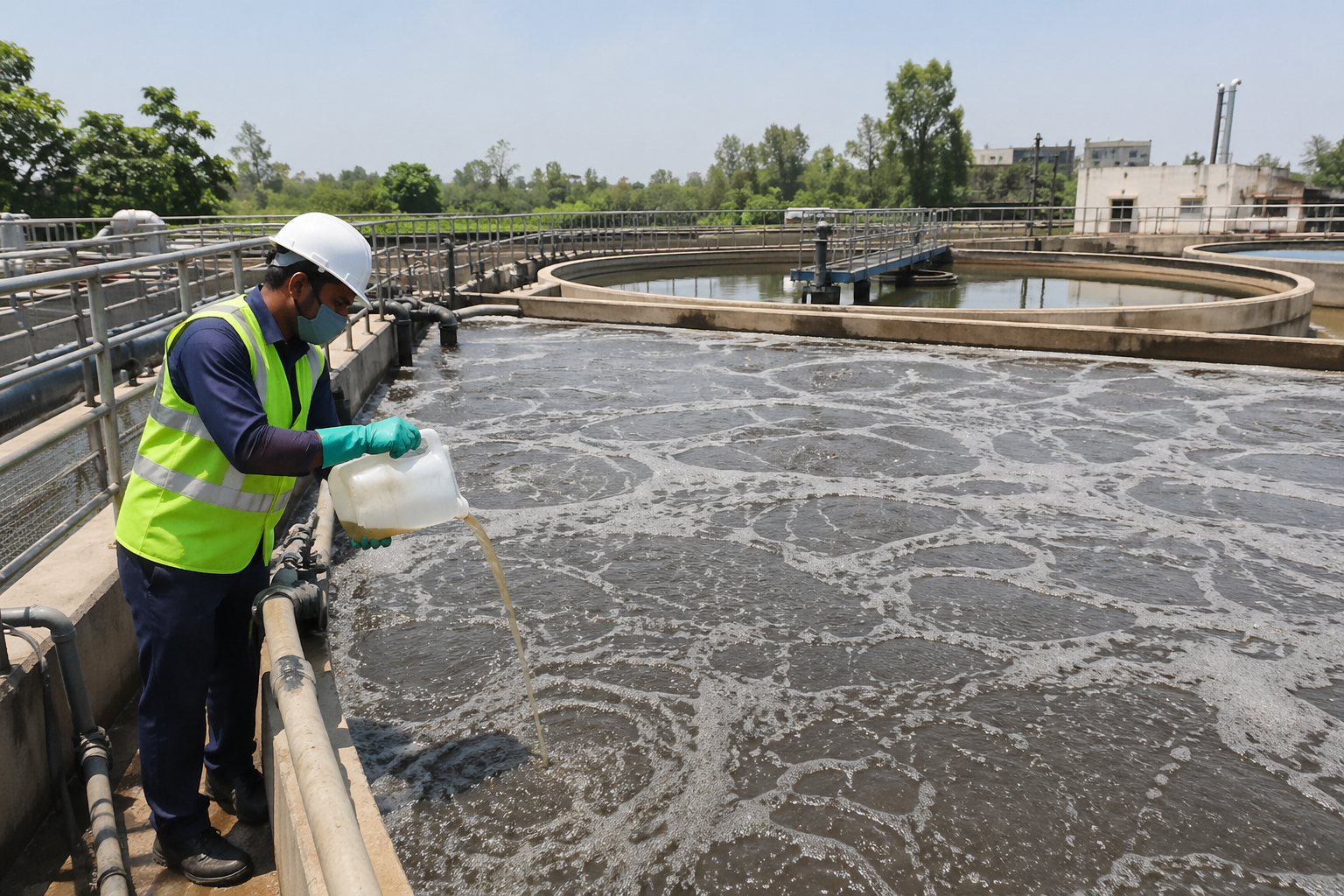
The Effective Solution (MRS)
Microbial Replenishment System (MRS) uses native microbes to stabilize biological processes in STP/ETP plants. By introducing OED liquid at the initial stage, it enhances biodegradation, reduces sludge and odour, and improves overall treatment efficiency while supporting natural water purification.
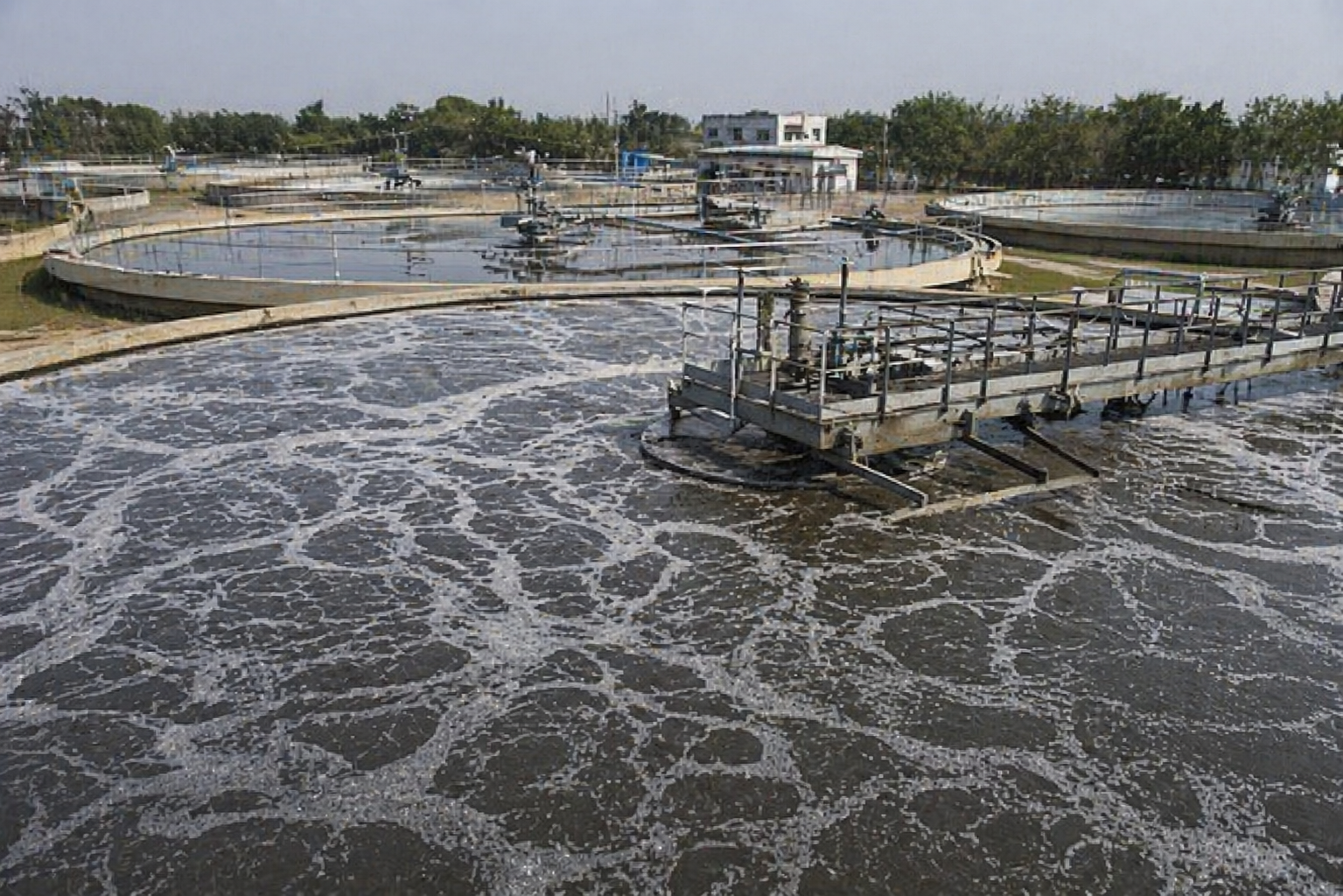
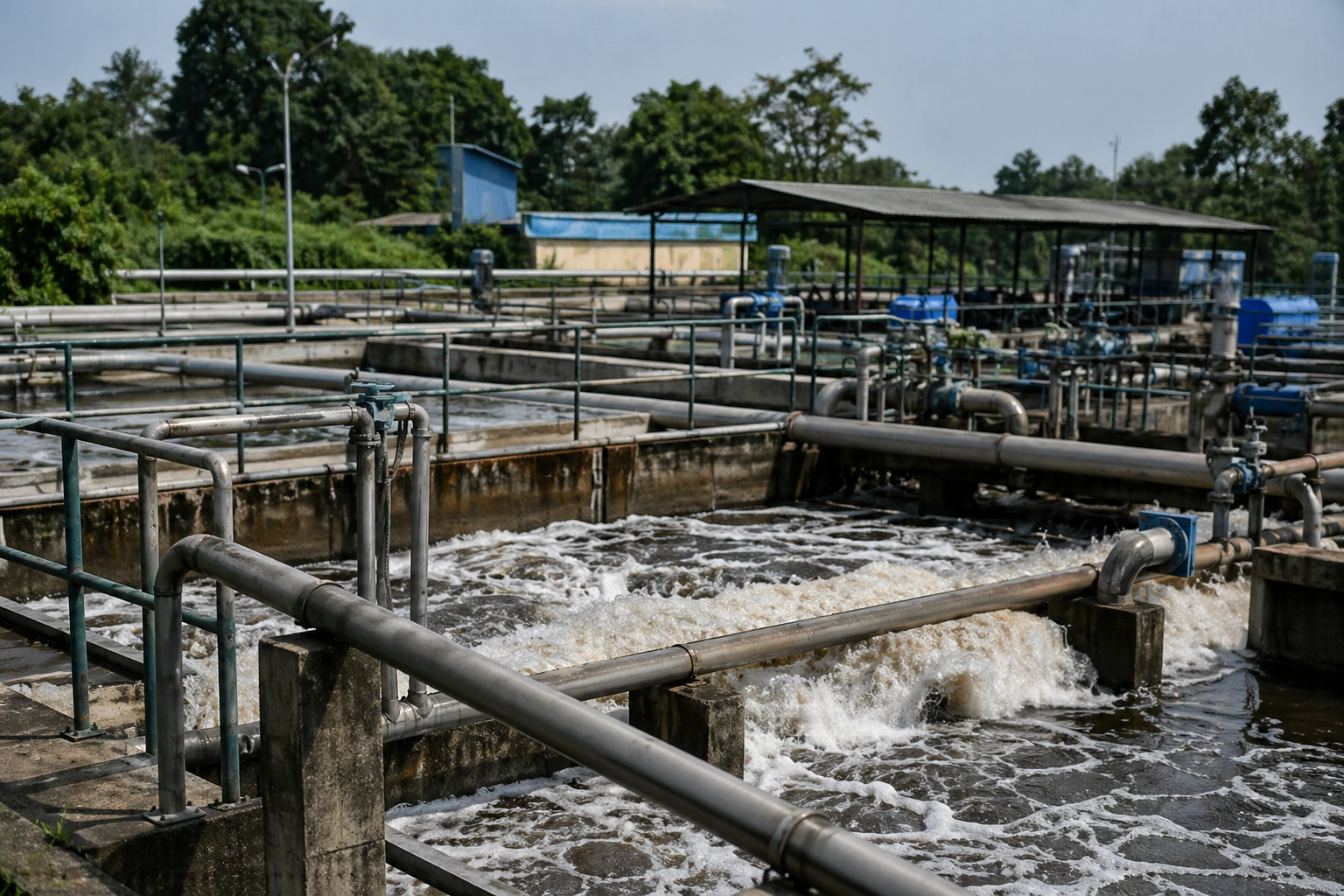
Current waste water treatment technologies USED
Wastewater treatment plants use aerobic and anaerobic microbial processes to break down organic waste. Technologies like ASP, MBBR, MBR, and SBR rely on oxygen and microorganisms to treat water, similar to natural river purification systems.
Soil Fertility Institute
Waste Water Treatment Through Natural Microbial Restoration
A clean, biological approach to improve polluted water streams, STPs and wastewater treatment performance using native microbial systems.
01
How Waste Water Was Treated Prior to 1970
Before 1970, soils were rich in native microorganisms that naturally flowed into rivers during irrigation. As rivers moved from mountains to plains, aeration increased oxygen levels, supporting microbial activity and enabling natural water purification.
02
Bioremediation of Polluted Water Streams/Nala
Polluted city streams receive sewage and industrial waste, causing low oxygen, foul smell and pests. Introducing MRS restores microbial activity, breaks down organic waste and improves water quality for STPs and polluted drains.
03
The Current Challenges With WWTP
Wastewater Treatment Plants in India often struggle due to low microbial activity and changing load conditions. Variations in sewage and industrial waste disturb biological processes and increase recovery time.
04
The Effective Solution: MRS
Microbial Replenishment System uses native microbes to stabilize STP and ETP biological processes. OED liquid enhances biodegradation, reduces sludge and odour, and improves overall treatment efficiency.
05
Current Waste Water Treatment Technologies Used
Wastewater plants use aerobic and anaerobic microbial processes to break down organic waste. Technologies like ASP, MBBR, MBR and SBR depend on oxygen and microorganisms, similar to natural river purification.